Volatile supply chains
Global fertiliser prices roughly tripled in 2022 and spike with every geopolitical shock.4 Import-dependent farmers absorb all of that volatility.

ZamGrow turns Zambian sugarcane waste into fertilised biochar and wood vinegar using continuous pyrolysis. We're building a homegrown alternative to imported fertiliser, one that rebuilds soil and keeps more value inside Zambia.
Our mission
Half of the world's urea moves through the Strait of Hormuz. When it closes, prices can jump 50% in a matter of weeks4, and Zambia's farmers absorb the shock. The country spends more than $600M a year importing fertiliser while producing almost none of its own2. ZamGrow exists to break that dependence: organic fertiliser made in Zambia, from Zambian agri-waste, for Zambian farmers.
Global fertiliser prices roughly tripled in 2022 and spike with every geopolitical shock.4 Import-dependent farmers absorb all of that volatility.
Smallholders grow 80% of Zambia's food, yet average just 1 to 2 t/ha of maize against a 6 to 7 t/ha potential. Around half the population does not meet its caloric needs.3
More than $600M leaves the country each year for fertiliser, with little produced at home.2 A waste problem and a soil problem, both still unsolved.
Products & technology
ZamGrow runs continuous pyrolysis kilns that carbonise sugarcane bagasse at 600 to 700°C in an oxygen-limited system, recycling the syngas as process heat. Each run is designed to produce two soil-building products, biochar and wood vinegar, with carbon credits as a potential third stream.5
High-volume, low-cost waste sourced from Zambia's largest sugar companies.
Carbonisation at 600 to 700°C, processing 2 to 3 tonnes per hour, with syngas recycled as heat.
Fertilised biochar produced alongside wood vinegar, a natural by-product, on every run.
Worked into depleted soils to help restore fertility, water and nutrient retention, and yields.
Insights
Notes on biochar, soil, and the future of farming in Zambia.

Op-ed
As conflict threatens the Strait of Hormuz, African farmers face the fallout. An op-ed by Dale Mathias and Amod Daherkar.
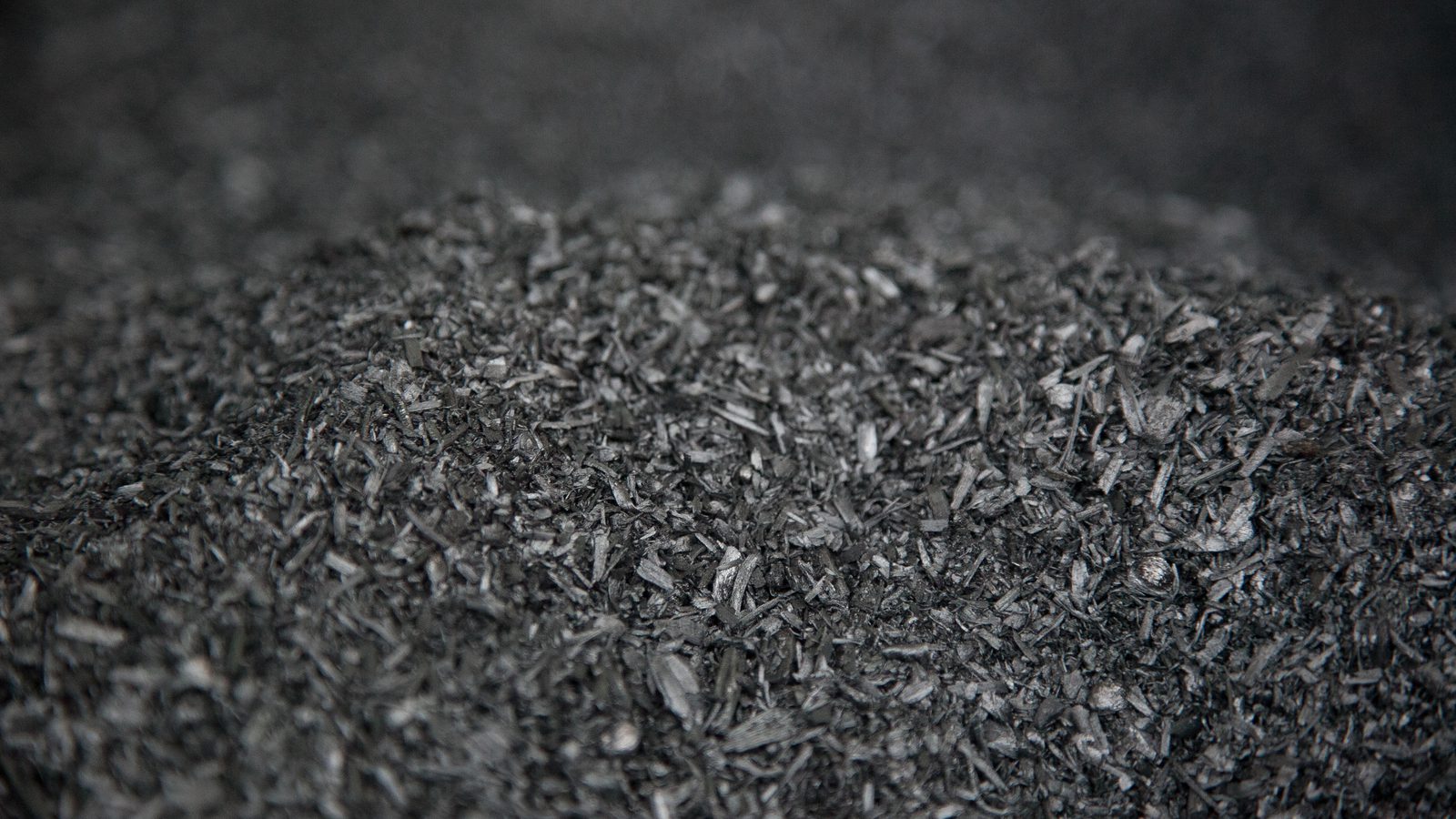
Soil science
A 4,000-year-old idea is quietly becoming one of the most practical tools we have for rebuilding soil and storing carbon. Here is how it works.
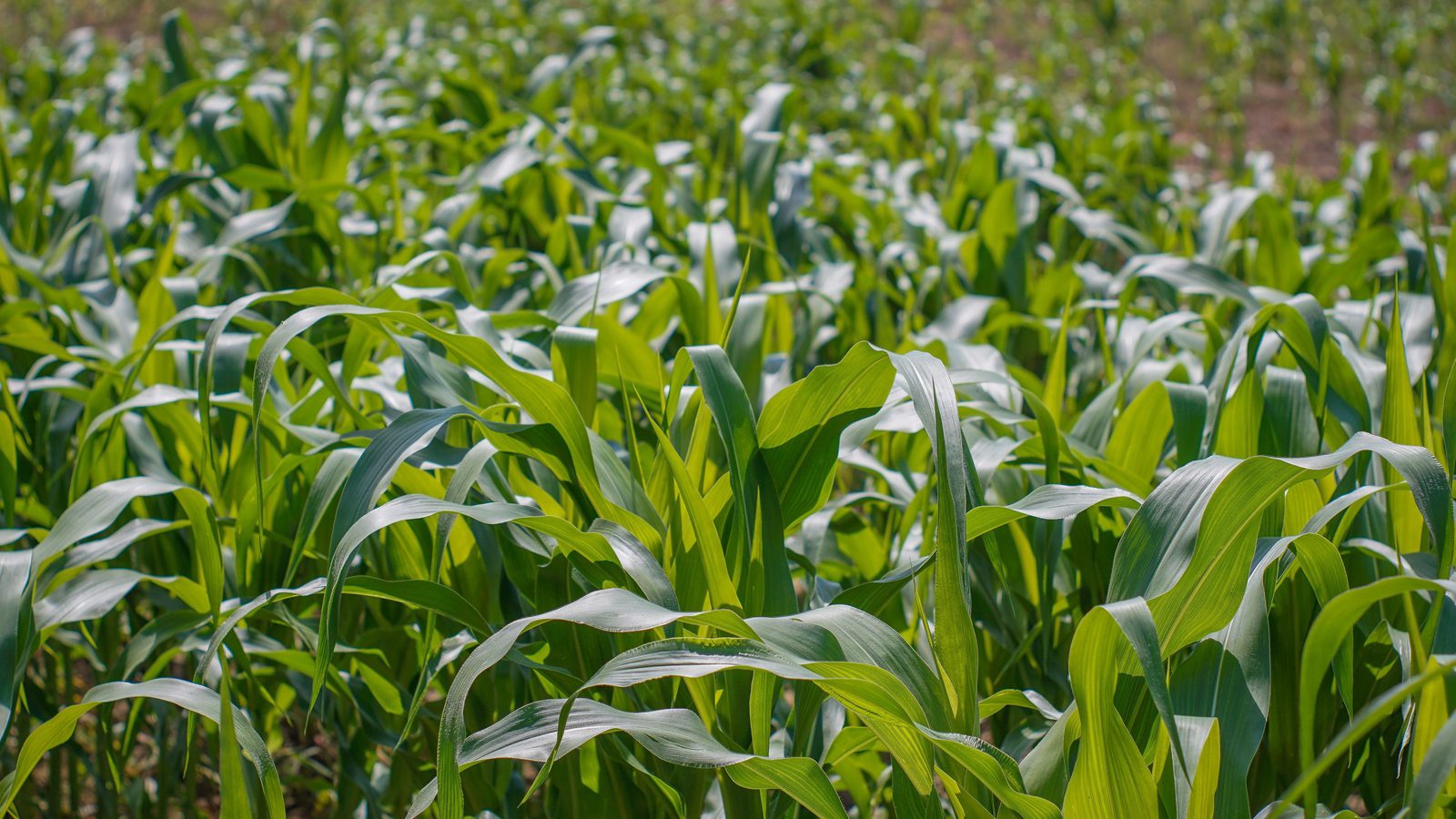
Agriculture
Tired soils, volatile imports, and the hidden cost of leaning too hard on chemical fertiliser. A look at what is really holding harvests back.
FAQ
The process at the heart of ZamGrow. Biomass is heated to 600 to 700°C in an oxygen-starved chamber, where it breaks down into biochar, wood vinegar and syngas. "Continuous" means bagasse flows through without stopping, and the syngas is recycled as heat, so the kiln needs little external fuel.5
A stable, carbon-rich charcoal made from plant waste. Worked into soil it behaves like a sponge, holding water and nutrients, sheltering beneficial microbes, and helping rebuild fertility on tired land. The carbon it stores stays locked away for the long term.1
The liquid condensed from the smoke given off during pyrolysis. Diluted with water, it has long been used as a natural pesticide and fungicide, a plant tonic, and a compost accelerator, an organic alternative to synthetic farm chemicals.
Get in touch
We're building the team to commission Zambia's first fertilised biochar facility. If that sounds like your kind of mission, we'd love to hear from you.
Open roles →