
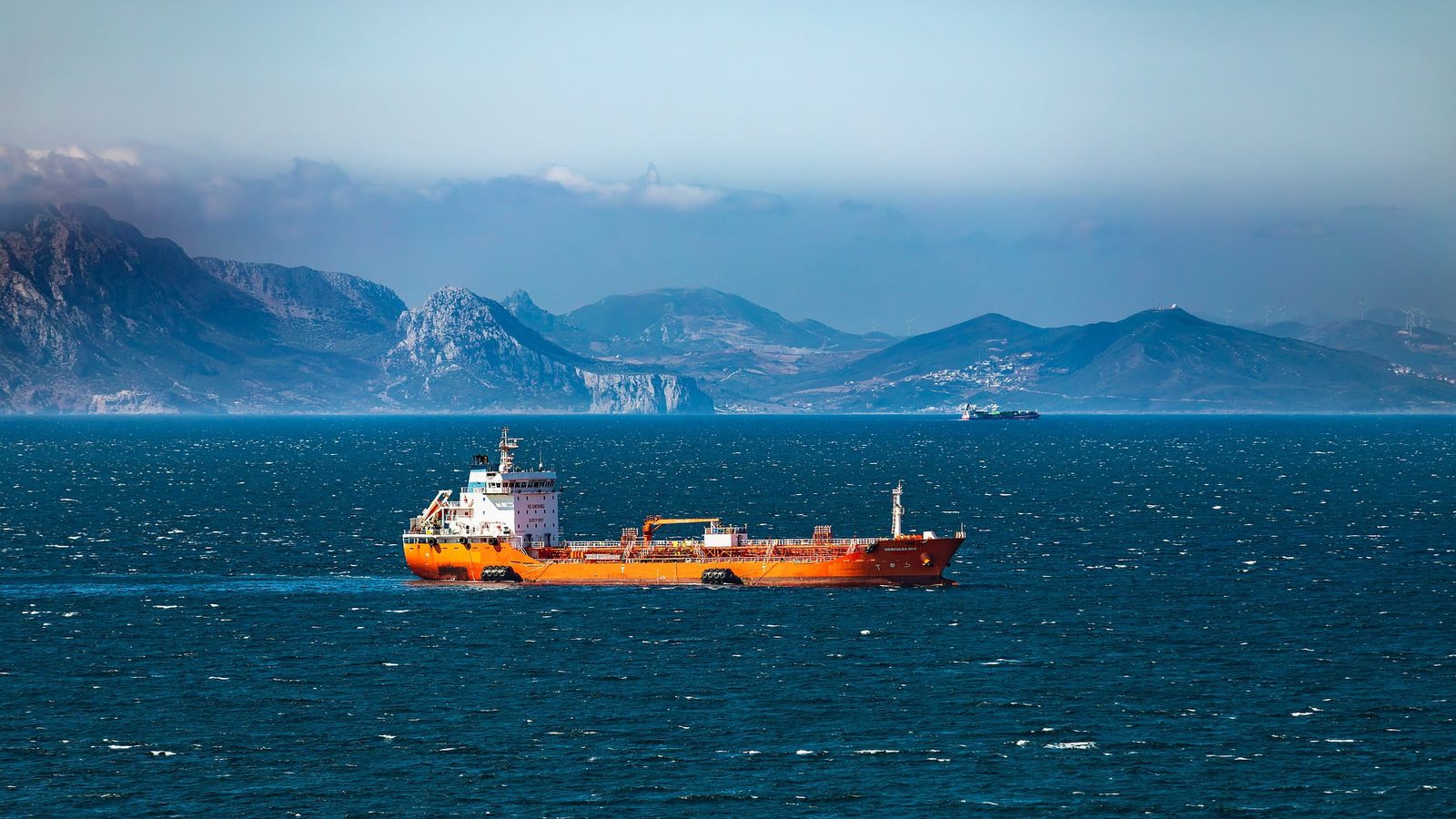
In the long shadow of the Iran war, a food crisis is quietly building. The casualties are likely to occur far from the bombing in the Middle East, in Africa, where 1.5 billion people are dependent on fertilizer that normally passes through the Strait of Hormuz.
While President Trump has made it clear he wants to keep the Strait open for oil tankers that carry one-fifth of the world's energy supply, no less important is that the strait remain open to the one-third of all globally traded fertilizer that travels the same waterway. Global food production depends on it.
Oxford Economics has already raised its Q2 2026 fertilizer price forecast by 20 percent. Upward adjustments are near certain so long as the Strait of Hormuz exists as a valuable bargaining chip for Iran.
The region most likely to be affected by supply constraints and higher prices is Africa. More than 90 percent of fertilizer consumed across sub-Saharan Africa is imported. Which means as prices for this essential farming input rise, African farmers and the people reliant on their produce will suffer.
More than two out of three people in sub-Saharan Africa work on farms that are two hectares (five acres) or smaller. Their produce accounts for 80 percent of total agricultural output in the region. Output is heavily reliant on fertilizer made in the Persian Gulf.
Consider the situation in Zambia, a land-locked country of 20 million people in south-central Africa. More than one in three Zambians already don't meet their daily caloric requirement, with roughly a third of the children in the impoverished nation presently stunted. A fertilizer shortage will exacerbate those conditions.
If anyone doubts the alarm, they need only look back to 2022, when Russia's invasion of Ukraine similarly coincided with a curtailment of fertilizer supply. That pushed 349 million people around the world into hunger, with African fertilizer consumption down 25% and food production on the continent dropping by 30 million metric tons, enough to feed at least 60 million people. The Strait of Hormuz is even more important to the flow of fertilizer and its by-products, with the United Nations' World Food Program already projecting that 45 million more people could be pushed into acute hunger if the conflict persists.
It's time for African nations to pursue the fertiliser autarky necessary to shield the continent's farmers and consumers from decisions made far away from them.
Which is why what's happening calls for change. With the world increasingly unhinged thanks to the unpredictability of world leaders, it's no longer safe for any continent or country to be so reliant on the inputs essential to the creation of basic food staples. Specifically, it's time for African nations to pursue fertilizer autarky necessary to shield the continent's farmers and consumers from the import of decisions made far away from them, and without regard to their wellbeing. African farmers on average use only 18 kilograms of fertilizer for each hectare of land, a bit more than a third of what they would need to in order to double cereal yields.
The good news is that the resources exist for Africa to free itself economically from global decisions made in the Middle East or more distant capitals. African governments spend $1 billion annually subsidizing the import of tens of billions worth of fertilizer, yet as we saw in 2022 and we're seeing now, the subsidies aren't adequate to fend off the consequences of actions taken by nations far from the continent. The African Union in 2024 approved a 10-year plan to redirect funds towards fertilizer production, but it hasn't happened. It's time.
In the meantime, Washington and the West can help. The war in Iran followed Mr. Trump's vocal threats of military action if that country's leaders brought harm to or killed anti-government Iranian protestors. He and his government should recognize the consequences of the war on the many Africans who will suffer or die from a lack of food resulting from the fertilizer crisis.
All wars are, sadly, world wars. Africa must adapt to this cruel reality so that when the vainglory of world leaders reveals its inevitable self, the pain isn't felt most acutely in nations and continents that had nothing to do with it.